
Program Description
The Grants Administration International Network (GAIN) Program, developed by administrators from the Vanderbilt Institute for Global Health (VIGH) and Vanderbilt University Medical Center (VUMC) [USA] in partnership with administrators from major foreign collaborating sites, promotes effective leadership in grants management. The program guides administrative leaders in low- and middle-income countries (LMICs) to strengthen their competencies in successfully administering sponsored projects, leading grant administration teams, and developing grants administration training programs at their institutions. In an age of increasingly dynamic and complex funding agency regulations, administrators need comprehensive grant management leadership and management skills to support research, faculty development, and organizational development.
This program aims to strengthen the leadership skills of university and NGO grant administrators who collaborate with VUMC on funded programs. Through an active-learning course structure, participants will develop core pre- and post-award leadership competencies, which will improve their effectiveness as grant administrators.
Vanderbilt GAIN training consists of an intensive 2-part course that includes asynchronous learning through provided materials and synchronous training with a participant cohort. The items shared here do not serve as standalone training, and only participants who complete all aspects of the GAIN training (both asynchronous and synchronous) will receive certification.
Program Structure
The Grants Administration International Network (GAIN) Program supports active grant administrators in becoming administrative leaders. In classes, instructors will explore advanced topics in sponsored project management. Participants will introduce and discuss these topics, while case studies and other activities will illustrate different competencies. These classes will encourage interaction, and participant engagement in all group discussions and activities, as well as complete assigned readings and activities before each workshop.
The GAIN program consists of two components:
- Part 1 (pre-award grants administration and team management) will take place every Tuesday in February 2026 (see schedule).
- Part 2 (post-award grants administration and financial and regulatory compliance) will occur in March 2026 with a similar time commitment.
Program Readings and Activities
In the GAIN program, instructors will teach through synchronous lectures and group discussions. Participants are required to read materials and watch videos before each weekly class. They must complete required readings and videos before class, and some readings will be marked as “Optional” for participants to explore at their own pace. After obtaining GAIN certification, participants will have access to all course materials, enabling them to modify and replicate the training at their respective institutions.
SCHEDULE
-
Schedule
Pre-Award 2: Grant Components, Basic Proposal Development, Submission and Timelines, Submission Portals
Class 1: The Research Enterprise: Administrative Roles and Support Models
Objectives:
- Understand the goals and the research administrator's role in the research enterprise.
- Know Research Office examples: Models, Roles and Responsibilities
- Understanding administrative support models - establishing relationship between principal investigators and research professionals
Description: This class serves as a broad overview of grant administration support models and the roles and responsibilities of key players in the research enterprise. Attention will be given to participant’s grants administration practices and grants office models and time will be provided for self-reflection and group discussion activities. Participants will discuss their definitions of and experiences with grants administration and support models. Participants will evaluate different skills needed to work effectively with investigators as well as identify their personal roles and responsibilities and areas for enhancement in their organization’s research support system.
Required Pre-Class Activities:
- Prepare to present and discuss your organization's research support structure
- Read: We're Problem Solvers: Research Administrators Offer Guidance to Working Scientists. https://www.nature.com/articles/d41586-021-01829-8
In-Class Activities:
- Group presentation of their organization's Research Office exanples: Models, Roles and Responsibilities
- Discuss best practices establishing relationships between principal investigators and research professionals.
Class 2: Pre-Award 1: Grant Lifecycle, Finding Funding, Understanding FOAs, Grant Components, Basic Proposal Development, Submission and Timelines, Submission Portals
Objectives:
- Understand the grant lifecycle
- Know which organizations fund grants and their funding strategies
- Know how to read and understand an FOA
- Understand grant components required for submission
- Understand the proposal development process and how to create a timeline for your submission
- Know the different online portals to submit a grant
Description: This class will focus on tools and knowledge to support pre-award grants administration. The first part of class will be spent learning about the grant lifecycle, grant funders and their research priorities, portals to find funding opportunities, and understanding how to read and FOA. The second part of class will focus on the logistics of submitting a grant: grant components, timelines, and portals for submission. There will be a focus on NIH grants. Participants will practice reading FOAs and discussing strategies for successful submissions.
Required Pre-Class Activities:
- Video: Eight Steps to Submitting an NIH Application (10 min), https://youtu.be/tspsdBgFotg
- Reading: NIH - Annotated FOA, https://grants.nih.gov/grants/Annotated_FOA.pdf
In-Class Activities:
- FOA activity
- Group discussion, best practices for grant submissions
Optional Readings/Videos:
- Read: NIH Grants Process Overview, https://grants.nih.gov/grants/grants_process.htm
- Read: NIH Types of Grant Programs, https://grants.nih.gov/grants/funding/funding_program.htm
- Read: NIH Standard Due Dates, https://grants.nih.gov/grants/how-to-apply-application-guide/due-dates-and-submission-policies/due-dates.htm
Class 3: Pre-Award 2: Funding Agency Registrations, Biosketches, Other Support, Budget Basics and Allowable Costs
Objectives:
- Discuss various funding agency registrations and learn how to register your institution
- Understand the components of an NIH biosketch and how to create and optimize them
- Understand how to develop an NIH Other Support document
- Understand the basics of grant budgets and development
- Be able to differentiate between allowable and unallowable costs for funding sources
Description: In the first part of this class, we will focus on understanding three essential components of grant submission and administration: funding agency registrations, biosketches, and other support. These components are critical for NIH grants but also utilized for some other US Government funding agencies. Participants will review the registration processes and practice developing competitive biosketches and accurate Other Support documents. The second part of this class will focus on the basics of grant budgets and how to determine whether costs are allowable for various funding sources.
Required Pre-Class Activity:
- Confirm your institution's registration status (Sam.gov, grants.gov,era commons)
- Review "Instructions for Biosketch Common Form"
- Review "Instructions for Other Support Common Form"
In-Class Activities:
-
Understanding NOGAs, Just-in-Time process, Other Support
Monitoring of Sponsored Programs; Indirect Costing Principles
2a. Cross-cultural Communication & Team Managment
2b. Project and Team Design
17 March
Accounting Best Practices
Effort reporting and salary scales
24 March
Overview of USG Compliance Rules
FFR, Audit, Closeout
31 March
5a. NIH Research Performacne Progress Report (RPPR)
5b. Establishing Team Training Systems Class 6 7 April
8:00-9:00AM CSTGraduation Ceremony and Debrief Class 1: Understanding NOGAs, Just-in-Time process, Monitoring of Sponsored Programs; Indirect Costing Principles
Objectives:
- Understand Just-in-Time (JIT) requirements and how to respond to the funder, focus on NIH
- Understand how to read and interpret a notice of award (NOA), focus on NIH
- Understand roles and responsibilities of key players responsible for sponsored programs monitoring and discuss organizational models.
- Understand best practices and internal controls for monitoring of sponsored programs and discuss common pitfalls.
Description: Session 1 will give participants an overview of the processes associated with receiving a grant award, with a focus on the NIH process. The class will review the Just-in-Time (JIT) process and new requirements and understanding the components of a notice of award (NOA). Session 2 serves as a broad overview of sponsored programs monitoring and the roles and responsibilities of key players responsible for monitoring. Attention will be given to participant’s grants administration practices and time will be provided for group discussion activities. Session 3 reviews indirect costs at your institution.
In-Class Activities:
- NOGA Activity
- Teams present and discuss your organization's process for monitoring sponsored programs
Class 2a: Cross-cultural Communication
Objectives:
- Understand cross-cultural communication challenges & tips for addressing them
Description: In this module, participants explore teh challenges often faced in cross-cultural communication. Participants will develop self-awareness of their personal workstyle. Time will also be dedicated to team management and key areas of support to improve team effectiveness.
Required Pre-Class Activity:
- Complete the Communication Styles Questionnaire
In-Class Activity:
Discuss communication style results
Class 2b.: Project & Team Design
Objectives:
- Understand importance of planning for project tracking and its role in proposal writing
- Introduce meterics to evaluating process and team effectiveness
- Build awareness of several existing tools for project tracking
Description: In this module, participants will explore the role project tracking has in the pre-award process, diving deper into metrics used to assess progrses torward project milestones (e.g. workplan, work breakdown structure, and indicators). Particiapnts will share experiences in project management, unpacking the challenges faced in tracking progress and sharing tips and tools for improved efficiency.
Required Pre-Class Activity:
- What is SWOT Analysis? (5 min) https://www.youtube.com/watch?v=lYa8fss5UxM
- What is a Gantt Chart (5 min) https://www.youtube.com/watch?v=fB0wsdmV3Sw
- What is a Work Breakdown Structure? (5 min) https://www.youtube.com/watch?v=akO2Lf1fHmM
In-Class Activities:
- Explore metrics for project progress based on workplan and indicator review
- Review online project management tools
Class 3: Accounting Best Practices, Effort Reporting
Objectives:
- Understand budget components
- Understand allowable and unallowable costs
- Understand US Federal regulations and cost principles and where to find them
- Understand monitoring requirements for management of sponsored programs
- Understand effort reporting policies
Description: This class will focus on tools and knowledge to support post-award grants administration monitoring. The first part of class will be spent learning about financial best practices and monitoring and compliance regulations. The second part of class will focuson on managing effort reporting. There will be a focus on USG funding grants. Participants will participate in case studies, practical exercises, and group discussion.
Required Pre-Class Activities: Required preparations:
Confirm your institution has an effort reportingn system and come preapred to discuss.
Required vide: Time and Effort Reporting: https://www.youtube.com/watch?v-r2qUYCJ1Nmc
In-Class Activities:
Discuss common pitfalls, best practicies and useful tools related to financial grants management
Group share methods and tools to ensure effort reporting compliance
Class 4: Overview of USG Complaince Rules; FFR, Audit, Closeout
Objectives:
- Know USG regulations and identify where to find them
- Understand the components of a Federal Financial Report (FFR) and best practices for completing FFRs
- Understand the steps required for project closeout and the roles and responsibilities of key players responsible for proejct closeout
- Understand audit requirements and standard procedures for internal and USG federal audits. Discuss organizational audit policies and practice.
Description: The first part of the class will focus on key USG and NIH policies and compliance pertinent to global collaborative projects. The second part of the class will explore FFRs, closeout, and audti regulations and best practices. Participants will particiapte in group discussions.
Required Pre-Class Activites:
- Review NIH website "Policy and Compliance" https://grants.nih.gov/policy/index.htm
In-Class Activities:
- Group discussion-NIH organizational policies
- Q & A panel external audit
Optional Readings/Videos:
- NIH Public Access Policy https://publicaccess.nih.gov
- NIH Financial Conflict of Interest Policy https://grants.nih.gov/grants/policy/coi/index.htm
- Update on Implementation of the New NIH Data Management and Sharing Policy: https://www.youtube.com/watch?v=ZcD641ptWIY
- An Overivew of NIH Policies on Human Subjects Research https://www.youtube.com/watch?v=KDy0kJ9K0zM&feature=youtu.be
- Compliance Pitfalls and Strategies for Success https://www.youtube.com/watch?v=NTWupBqasug
- Financial Conflict of Interest (FCOI) - What You Need to Know https://www.youtube.com/watch?v=D292YZ6BX24
Class 5a: RPPRs
Objectives:
- Understand the required components of an RPPR
- Understand how to complete and submit an RPPR as a prime awardee
- Understand common issues wiht RPPRs and how to address them
Descriptions: Class will focus on the NIH Research Performance Progress Report (RPPR). We will review the components of an RPPR, understand how to complete and submit an RPPR, and go through common issues awardees face with RPPRs and how to address them.
Pre-Session Activities:
- Required Readings: NIH Research Performance Progress Report (RPPR) Guide
Class 5b: Establishing Training Systems
Objectives:
- Aid participants in designing their approach to apply this training material toward future trainings at their institutions
- Build awareness of existing models for tracking research team training needs
- Explore the potential need for internal employee training systems and stand operating procedures to ensure high turnover rates do not negatively impact upon the project
Description: This module examines the need to establish training systems for utilizing the skills from this workshop and sharing them with faculty/ staff/ students (external training) as wella s training within our teams to account for turnover and maintaining institutional memory (internal training). Participants will apply their local context toward assessing training needs and planning for next steps upon completion of this training series.
Required Pre-Class Activity:
- Watch: Training Program Design | GreggU (5 min)
-
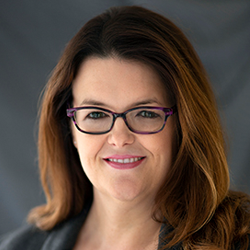 Holly Cassell, MPH (Associate Director for Collaborations and GAIN Course Director, Vanderbilt Institute for Global Health), has 20 years of pre- and post-award administration experience, developing and directing global public health grants and programs in academic institutions. She is the founder and director of VIRDE, Vanderbilt’s highly successful annual grant development and ethics workshop for LMIC faculty, adn the Course Director for GAIN. She has trained and mentored grant administrators from Africa, Asia, and Latin America, and she has experience conducting training workshops in grant writing and administration.
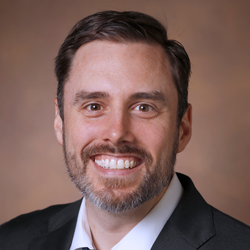 Shane Crounse, EdD, MS (Principal IT Project Manager- Vanderbilt Office of Sponsored Programs), is a research administrator, trainer, and IT project manager with 20+ years of experience at research universities and academic hospitals. Shane leads the technology team within the Vanderbilt Office of Sponsored Programs (OSP). He also teaches in the Vanderbilt Program in Research Administrator Development (VPRAD), an immersive training program covering all major areas of resarch support and compliance for Vanderbilt research administration.
Erin Graves McKee, BSN, MPH, serves as a lead program manager for the Vanderbilt Institute for Global Health and the Clinic Community Linkages Officer for C-Saúde. In this role, she collaborates with Nashville- and Mozambique-based staff, as well as VIGH staff and faculty, to provide technical support in the management of programs that bridge clinical and community-based interventions for HIV care and prevention in rural Mozambique. She has several years of experience working as an RN in clinical care and community/public health. Her work has focused on maternal and child health, family planning, HIV prevention and care, gender-based violence, patient advocacy and self-efficacy, and coordination of patient care within multidisciplinary teams, with a special interest in low-income and vulnerable populations.
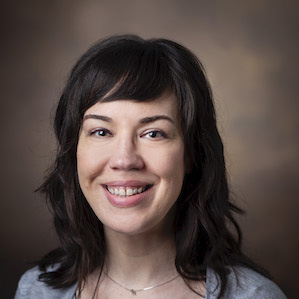 Angela Paolucci, MPH serves as a a senior population/public health manager for VIGH. She received her MPH in Public Health from George Washington University’s Milken Institute of Public Health and her B.A. in Anthropology/Applied Cultural Studies from Northern Kentucky University. She has 18 years of experience working in grant-funded research, five of which have been with VIGH. Ms. Paolucci has written, coordinated, and supported the development and submission of multiple grants and manuscripts, and regularly helps manage pre- and post-award grant funding processes, policies, and procedures. She is experienced in all aspects of the NIH grant-writing process, from initial planning through post-award monitoring. While in Mombasa, Kenya, in 2010, she conducted needs assessments with community members to support initial planning and grant funding allocation, and led grant-writing workshops with community leaders, ultimately authoring a grant proposal for the HIV/AIDS support group and Sauti Ya Wanawake. She has performed support administration for grants and contracts in accordance with federal and institutional guidelines, and is well-versed in grant writing, peer review, award administration, and post-award monitoring. In her current role, she manages the day-to-day team operations for multiple ongoing NIH-funded clinical trials and research studies in Kano, Nigeria. In each of her roles, Ms. Paolucci applies her love of research to the personal human experience, at the community level, and in medical research.
 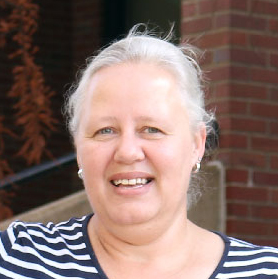 Reney Peters, B.A. (Regional Grants Manager - The Aurum Institute NPC, South Africa), is the Regional Grants Manager at The Aurum Institute, with more than 17 years’ experience in the administrative management and compliance requirements of health programs and research projects funded by donors across the globe. She is responsible for managing and training grants and contract staff, sourcing and supporting continuous and sustainable funding, supporting Principal Investigators and Technical Experts with the development and submission of new funding applications, pre-/post-award and closeout administrative management of all grants and contracts, and compliance and reporting assurance. Before joining Aurum, she worked in the legal, finance, and corporate sectors as a Legal Officer, Senior Legal Secretary, Bookkeeper, and Executive Secretary.
 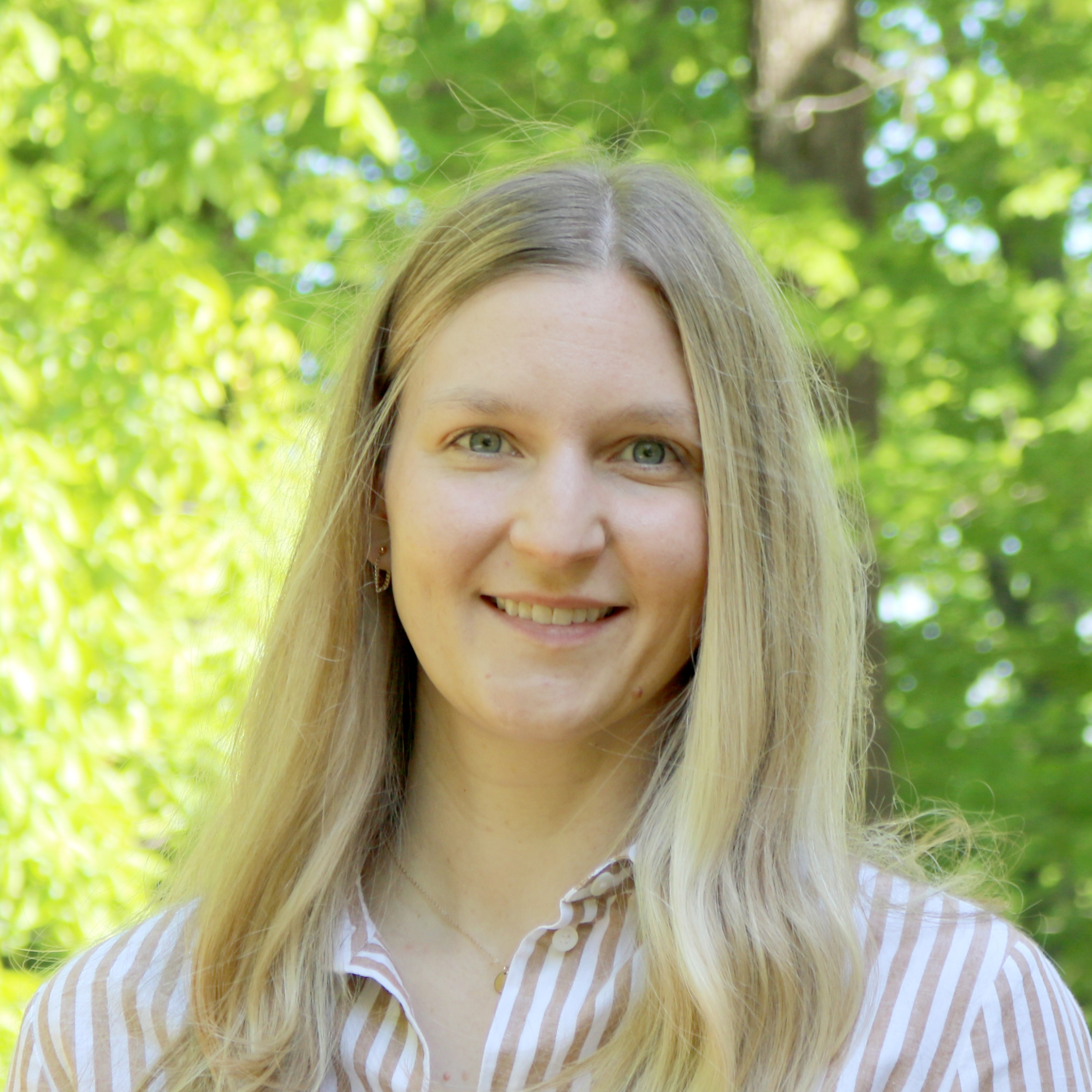 Claire Davis Posey, MA (Senior Population and Public Health Manager- Vanderbilt Institute for Global Health), In this role, she directs programming and operations for a portfolio of grant-funded education and training programs in low-resource settings, including sites in Sub-Saharan Africa and Southeast Asia. She primarily works in the areas of education capacity-building, global surgery/global anesthesia, maternal and child health, noncommunicable diseases, and workforce development. Claire holds a master’s degree in international development from American University. She received her undergraduate degree from Birmingham-Southern College, where she majored in Human Rights and Spanish. Claire is also a proud Returned Peace Corps Volunteer (Ecuador).
 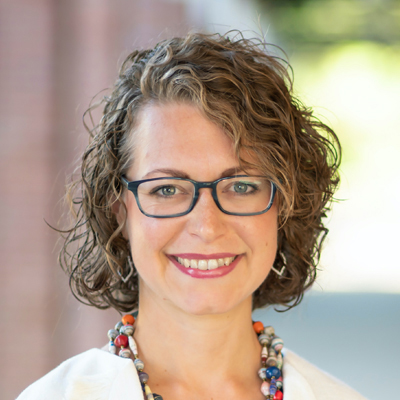 Elizabeth S. Rose, EdD, MPH is a Global Health Education Specialist at VIGH and an assistant professor at Vanderbilt University Medical School. She teaches public health and medical students, develops training programs, and leads faculty workshops worldwide. Her professional passion lies at the intersection of education and health, working with others to enhance their skills and lead their communities to improved health outcomes. At Vanderbilt, Dr. Rose is co-director of the Global Health track in the Master of Public Health Program, Research Director for the medical student Community and Global Health Research Immersion Area, and co-director of the Vanderbilt Institute for Research Design & Ethics program. She is a co-investigator on several training grants.
 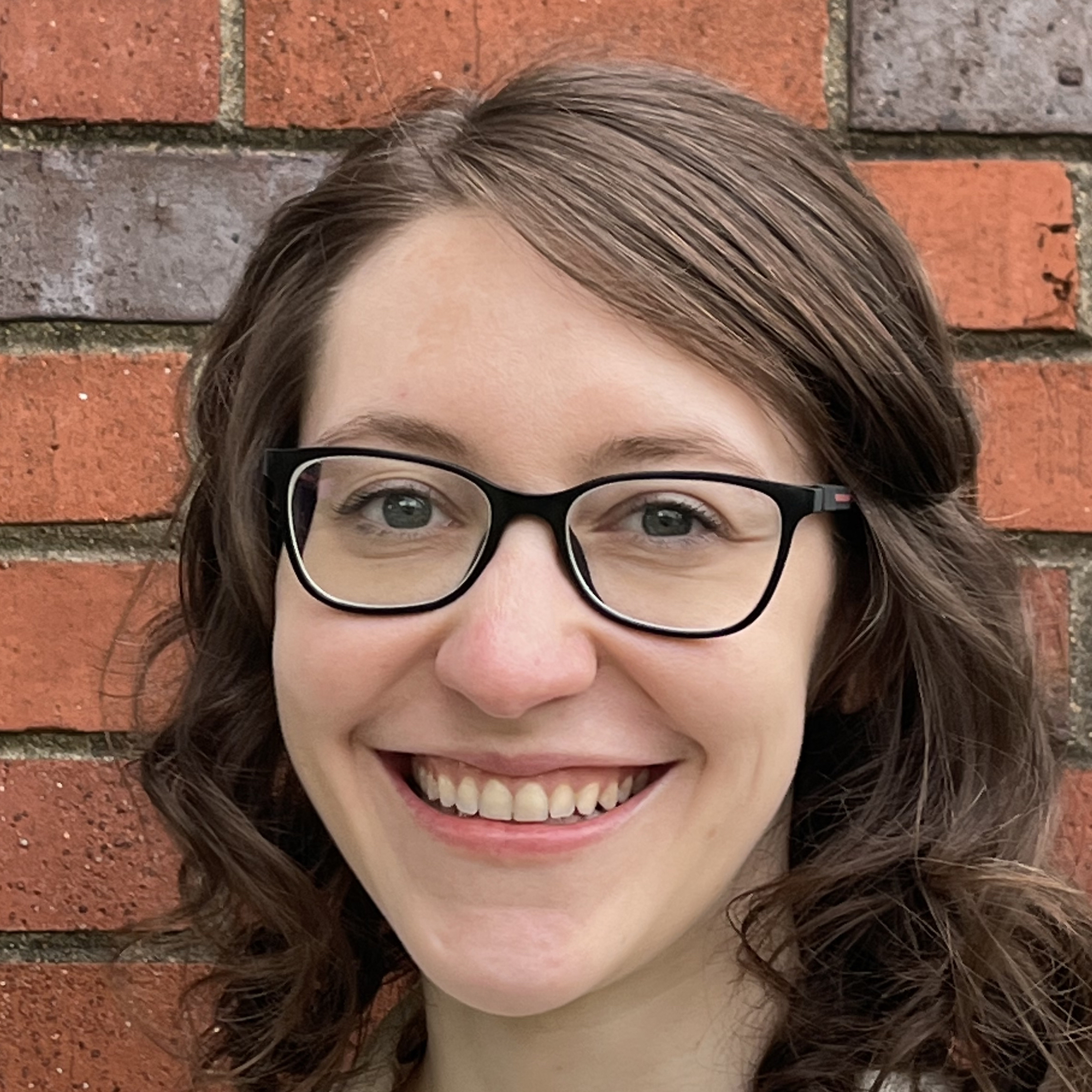 Chelsea van Wyk, MPH (Senior Population/Public Health Manager at the Vanderbilt Institute for Global Health), directs training and capacity-building projects in Nigeria and Mozambique. She came to VIGH from the VUMC Department of Pediatrics, where she coordinated community- and clinic-based clinical trials for children and families. Before joining VUMC, Chelsea lived in South Africa for three years as a Princeton in Africa fellow with mothers2mothers and then as a graduate student at the University of Cape Town, where her work focused on the role of communities in strengthening health systems and health systems research.
-
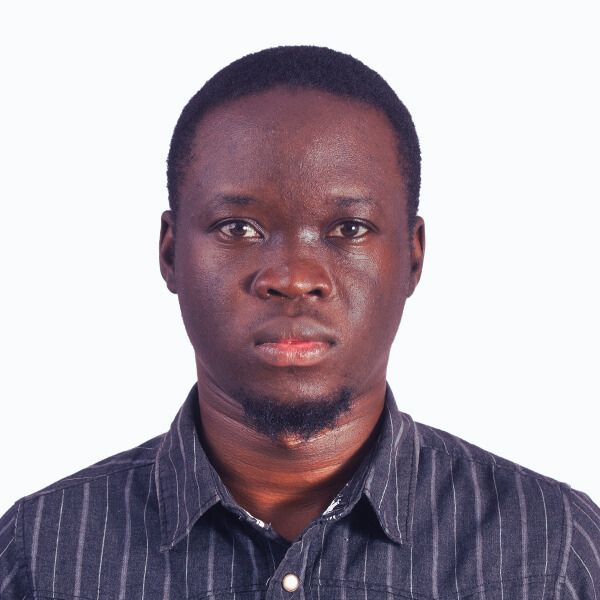
Derrick Bary Abila, BSC., MBChB, MPH
Medical Officer
Uganda Cancer InstituteDr. Derrick Bary Abila holds a Bachelor of Science in Cytotechnology, an MBChB from Makerere University in Uganda, and a Master of Public Health from the University of Manchester in the UK. He works as a medical doctor at the Uganda Cancer Institute in Kampala. He also serves as research program manager at the Uganda Child Cancer Foundation, where he conducts research to improve outcomes for children with cancer. Dr. Abila has more than seven years of experience in clinical, public health, and global health research. His interests include chronic non-communicable diseases like cancer, women's and children's health, mobile health, and the links between infectious diseases and cancer.
He has served on several international, multidisciplinary committees that promote global health. These include the Global Breast Cancer Initiative of the World Health Organization. He also participates in NCD Labs of the WHO’s Global Coordination Mechanism on Noncommunicable Diseases, the Global Burden of Disease Studies with the Institute for Health Metrics and Evaluation, and the Trainee Advisory Committee of the Consortium of Universities for Global Health.

Ezra Anecho, MME
Grants Management Officer
Uganda Cancer Institute
Ezra Anecho is a Quantitative Economist specializing in research administration. He has managed research grants, led resource mobilization efforts, and directed monitoring and evaluation activities. Over the past nine years, he has overseen proposal development teams, secured institutional funding through targeted initiatives, and strengthened operational capacity for diverse research programs.Mr. Anecho established and leads the Grants Office at Uganda Cancer Institute (UCI), where he develops and oversees grant application strategies, manages donor relationships, and directs financial planning, securing over $10 million for research and treatment programs. He also serves as the monitoring and evaluation specialist for the African Development Bank's $33 million project, “Establishment of the East Africa Centre of Excellence for Oncology Project,” where he is responsible for designing, implementing, and reporting on performance frameworks and impact assessments.

Nguyen Thuy Anh, MSW
Research Manager
Hanoi Medical UniversityNguyen Thuy Anh is a public health and clinical research professional with over 10 years of experience, having held roles such as research coordinator and capacity-building specialist in international research, clinical trials, and community-based health programs. She collaborates with leading institutions, focusing as a project lead on HIV/AIDS, smoking cessation, drug and alcohol services, and preventive medicine. She applies a multidisciplinary, people-centered approach to improve health outcomes in Vietnam and beyond.

Nguyen Bui Phuong Anh, BS
Finance Officer
Hanoi Medical UniversityNguyen Bui Phuong Anh is a finance officer at the National Cancer Institute, affiliated with K Hospital in Vietnam. She has a proactive, solutions-oriented approach and plays a key role in the Institute’s administrative and organizational activities. Committed to professional growth, Phuong Anh is pursuing further training to expand her knowledge and skills, which she will apply to her current responsibilities. Her dedication to optimizing work processes and supporting institutional growth is driven by a passion for advancing cancer prevention research.
Yanina Archenti
Administrative Assistant
Instituto de Investigación NutricionalYanina Archenti is a translator with a strong background in the humanities. She has extensive experience as a clinical research translator and regulatory process coordinator. Yanina is skilled at collaborating with regulatory bodies, including the Ministry of Health, the General Directorate of Medicines, Supplies and Drugs, and Research Ethics Committees. She has managed complex regulatory administrative processes, overseeing documentation and communication. Yanina brings leadership, teamwork, responsibility, and strong organizational skills. Her quick learning has helped her succeed in demanding environments. She values teamwork and strives to foster a respectful, supportive atmosphere.
Phuong Hoai Thi Bach, MS
Researcher
Vietnam National Cancer InstituteBach Thi Hoai Phuong is a molecular biologist at the National Cancer Institute, K Hospital, in Vietnam, where she leads research projects focused on the genetic and molecular mechanisms underlying cancer. She graduated with distinction from the Honors Program in Biology at the University of Science, Vietnam National University Hanoi. She earned a master’s degree in Physiology, Epigenetics, and Development from the University of Grenoble, France, in 2016. Her work involves applying advanced molecular biology technologies, such as next-generation sequencing (NGS) and droplet digital PCR (ddPCR), to identify gene mutations linked to drug response and cancer prognosis. She also investigates genetic epidemiological characteristics in the Vietnamese population.
Vivian Bayo, BBA
Grants Management Officer
Uganda Cancer InstituteVivian Bayo is an experienced grants, finance, and administration professional. She holds a bachelor’s degree in business administration from Makerere University Business School and formal training in grants writing and management. As a grants and research administrator at the Uganda Cancer Institute, she supports researchers and principal investigators through the full grant lifecycle: proposal development, post-award management, financial accountability, donor reporting, and audits. She has experience in finance and administration at the Uganda Child Cancer Foundation and in other roles. Vivian brings strong expertise in grants management, financial reporting, payroll, and institutional operations. She is reliable, highly organized, and an effective communicator with a proven ability to collaborate in multidisciplinary teams.
Leonard Bett, MBA
Director Finance
AIC Kijabe HospitalLeonard Bett, Director of Finance at AIC Kijabe Hospital, is a finance professional with over 10 years of experience in internal audit, risk management, and financial controls. He holds an MBA in Finance, a BCom in Accounting, and a Higher Diploma in Human Resource Management. Leonard is a CPA, a Certified Investment & Financial Analyst, and a member of IIA-Kenya and ICPAK. He previously served on the ICPAK South Rift Branch Executive Committee. Currently, he leads a team of 60 finance professionals and has streamlined the hospital's financial processes, ensuring robust controls and effective donor funding management.
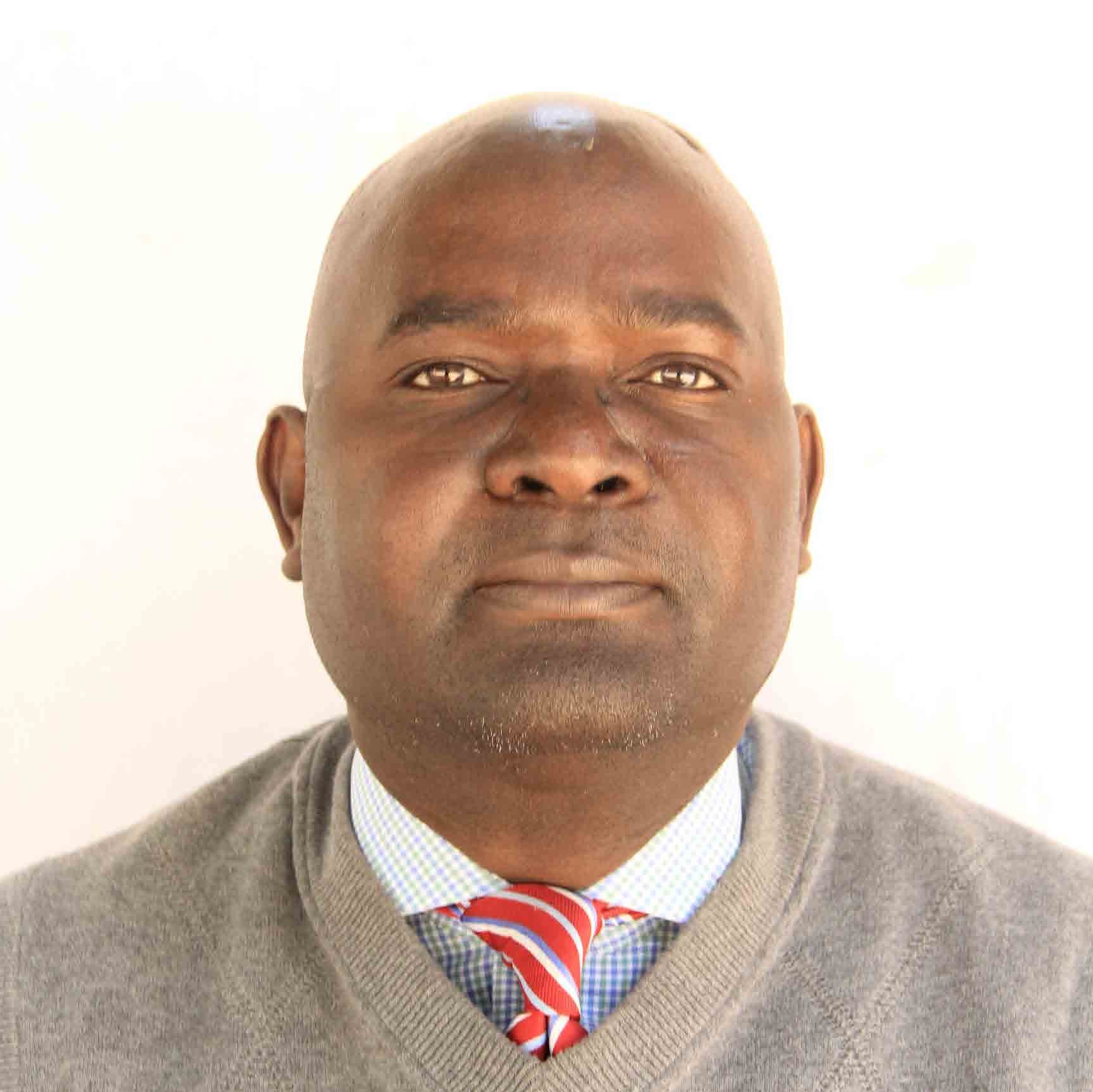
Happy Bukata
Accountant
University of ZambiaHappy Bukata joined the University of Zambia in June 2006 as a Students' Welfare Officer. In 2012, Happy transferred to the Finance Department after completing a finance and accounting certification. In the Finance Department, he rose from assistant accountant to full accountant. He participated in several projects funded by NIH, the Scottish Government, the European Union, WHO, and UNICEF. Mr. Bukata is currently an Accountant at the University of Zambia.
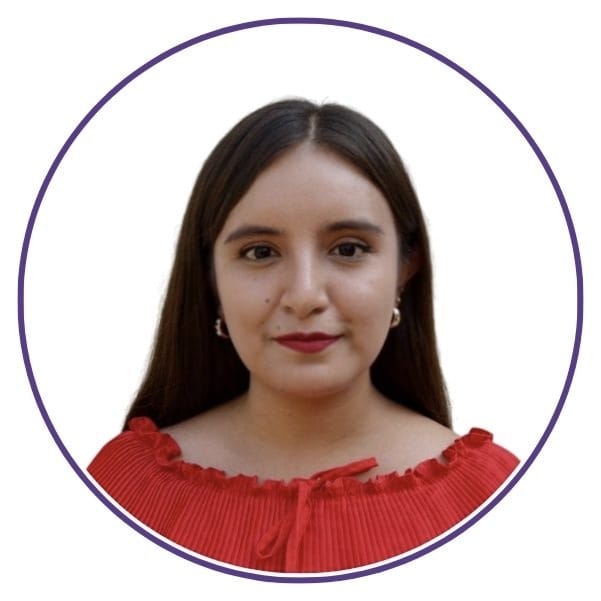
Katherin Carrasco, BS
Project Administrator
Instituto de Investigación NutricionalKatherin Carrasco is a business administration professional with over eight years of experience in administration, logistics, and project management. She has coordinated research teams and managed large health projects. She has studied leadership and corporate responsibility. She has also received international training in research administration. Her experience includes managing budgets, preparing reports, and ensuring compliance with policies. She has advanced English skills, as evidenced by formal studies at the Centro Cultural Británico and by her professional use. She is known for strong organizational skills, adaptability, discretion, and a results-driven approach.
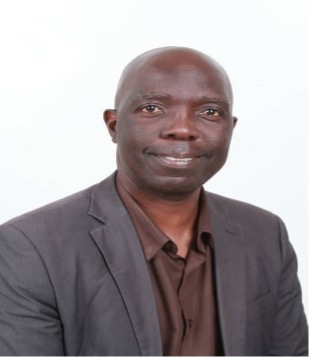
Chrispin Dilema, MA
Grants Officer
University of ZambiaChrispin Dilema is an acting grants officer in the Directorate of Research and Development at the University of Zambia in Lusaka. He holds a Master of Arts in Economic Policy Management (2015) and a Bachelor of Arts in Development Studies (2011). He also has certificates in Planning, Monitoring, and Evaluation (2012) and Good Financial Grants Practice (2025). With one year of grants administration experience, he is skilled in proposal development, donor compliance, and monitoring funded projects. He aligns research outputs with national priorities and the Sustainable Development Goals. Chrispin is passionate about transparency, institutional capacity building, and fostering strategic collaborations.
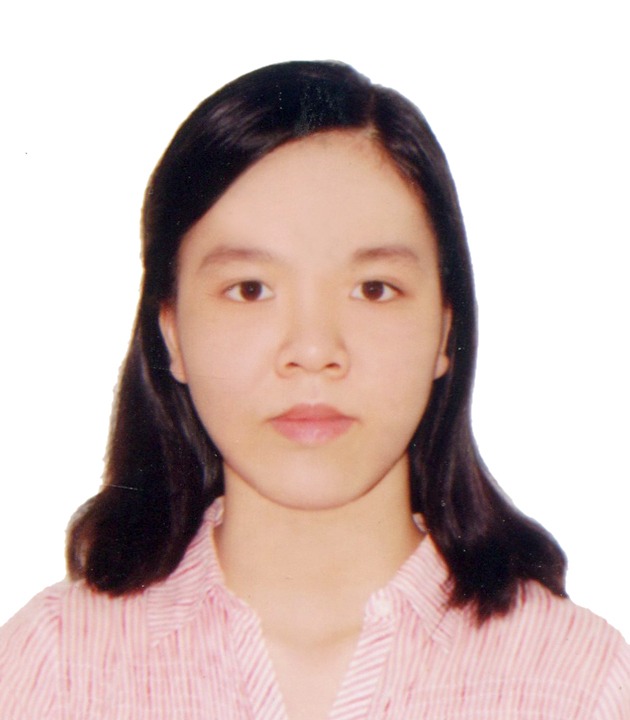
Ha Do, MD
Staff Scientist
Vietnam National Cancer InstituteHa Do is a staff member of the Department of Cancer Epidemiology at the National Institute for Cancer Control in Vietnam. With a Doctor of Preventive Medicine degree, Ha aims to contribute to cancer prevention and control. Ha's research focuses on non-communicable diseases, especially cancer epidemiology and risk factors. Dr. Do studies the feasibility of cancer screening in low-resource settings and cancer registration. Ha is also interested in cancer control and outcome research to improve patients’ quality of life. Experience at the National Institute of Hygiene and Epidemiology and the National Cancer Institute has strengthened Ha's skills in data management, analysis, and scientific writing. These skills support Ha's long-term goal of becoming an academic researcher.
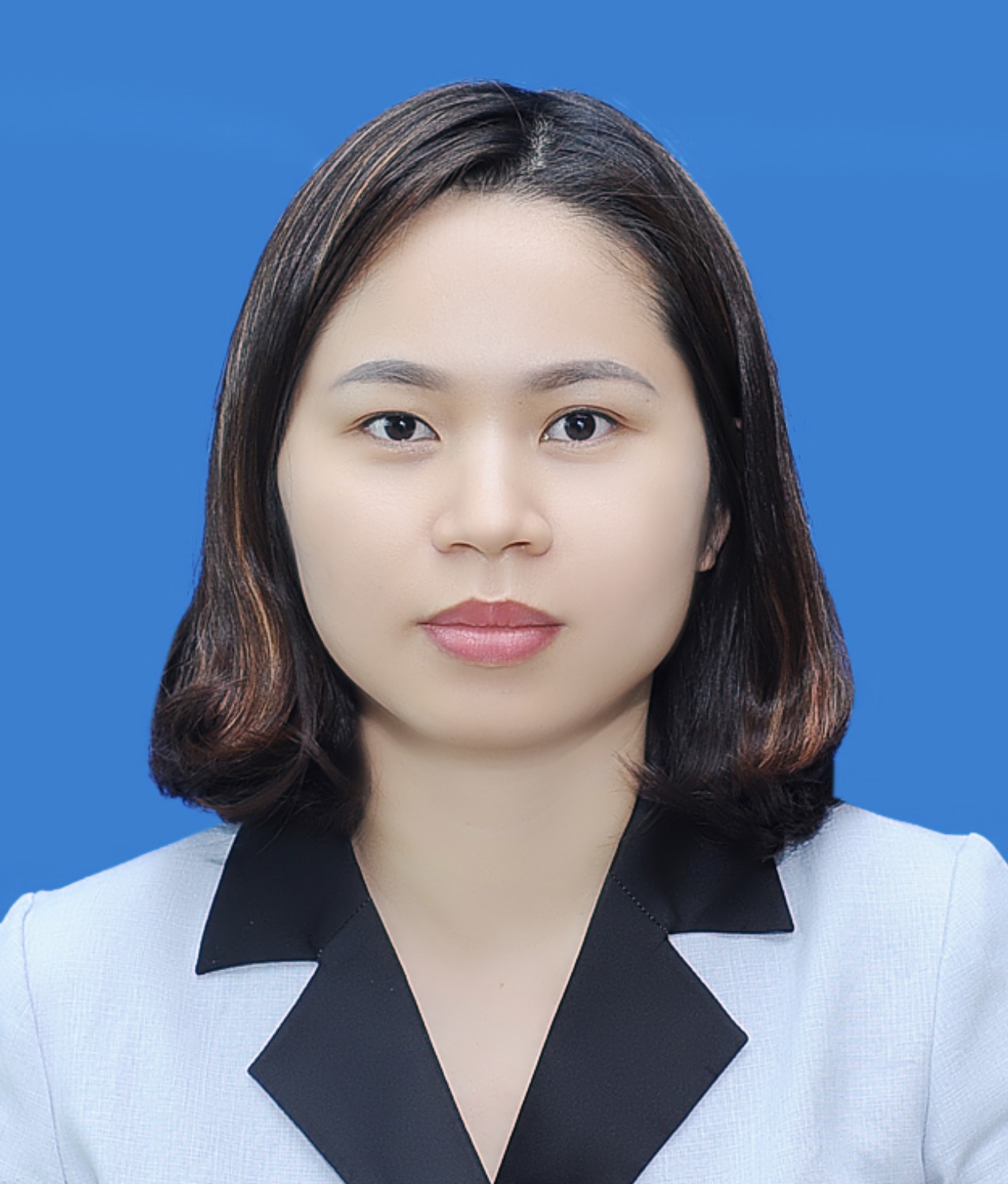
Doan Thi Hoa, MS
Office Director
Vietnam National Cancer InstituteDoan Thi Hoa is the chief of office at the Vietnam National Cancer Institute. She holds bachelor’s and master’s degrees in Accounting from the National Economics University and has over 10 years of experience in financial accounting, payment processing, budget management, office administration, and team leadership.
She holds both a bachelor's degree and a master's degree in accounting from the National Economics University.
With over ten years of professional experience, she has developed substantial expertise in financial accounting, payment processing, budget management, and office administration.
With professional experience, she has developed extensive expertise in financial accounting, payment processing, budget management, and office administration. In addition, she also demonstrates strong capabilities in team leadership and organizational management, contributing significantly to the Institute's effective operation. She is committed to continuous professional development and seeks further training to enhance her knowledge and implement innovative practices that support the organization’s sustainable growth.

Anthony Kayiira, MD, MSc, MMED
Research Associate Oncofertility
Uganda Cancer InstituteDr. Anthony Kayiira is a Ugandan clinician-scientist and board-certified reproductive embryologist specializing in oncofertility and cancer survivorship in low-resource settings. He is a clinical research fellow at the Uganda Cancer Institute, where his work focuses on improving fertility preservation and reproductive outcomes for pediatric, adolescent, and young adult cancer survivors. Trained in medicine, obstetrics and gynecology, and clinical embryology at Makerere University, Uganda Martyrs University, and the University of Oxford, he combines clinical expertise with implementation science. Dr. Kayiira has received multiple international awards and leads research on oncofertility policy and practice in Africa.
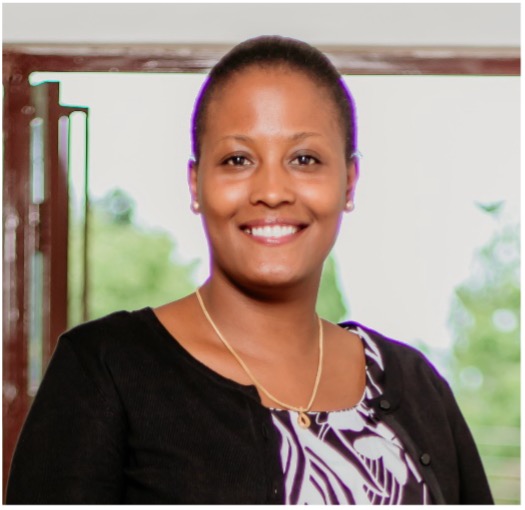
Anita Kelly Zeramula, Adv. Dip IT
Administrator/Regulatory Affairs
Kilimanjaro Clinical Research InstituteAnita K. Zeramula, a regulatory research officer, brings more than seven years of experience in the research industry. She supports both international and local studies by providing regulatory and administrative oversight for each project. Anita collaborates closely with investigators, ethics committees, and regulatory authorities to meet all national and international requirements.
Anita is trained in financial management and contributes to budget planning, financial reporting, and sponsor compliance. She led the approval of more than 93 research projects and maintains high acceptance rates by applying attention to detail and strong regulatory knowledge.
Colleagues recognize Anita for her strong communication, project management, and teamwork skills. She collaborates with cross-functional teams and dedicates herself to advancing ethical, high-quality research that improves public health. Anita commits to growing professionally in research governance and program coordination.
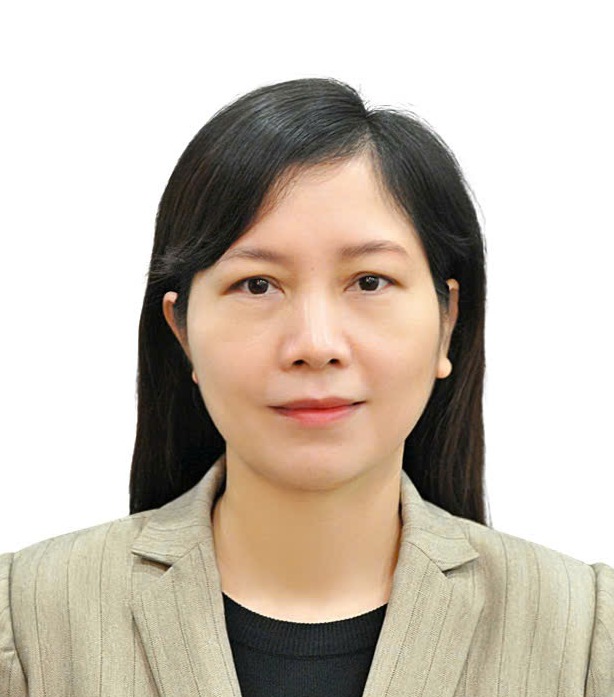
Ly Le Thi, BS
Administrator
Vietnam National Cancer InstituteLy Le Thi is an administrative and research support officer at the Cancer Epidemiology Department, Vietnam National Cancer Institute, Vietnam National Cancer Hospital. She provides coordination and technical support for cancer registry activities, including data collection and management, and supports the implementation of research projects, training programs, seminars, and expert meetings. She has over 15 years of experience in administrative management for national and international cooperation projects, including JICA-funded vaccine production projects. She holds degrees in English and Library and Information Science, and has strong organizational, communication, and documentation skills.
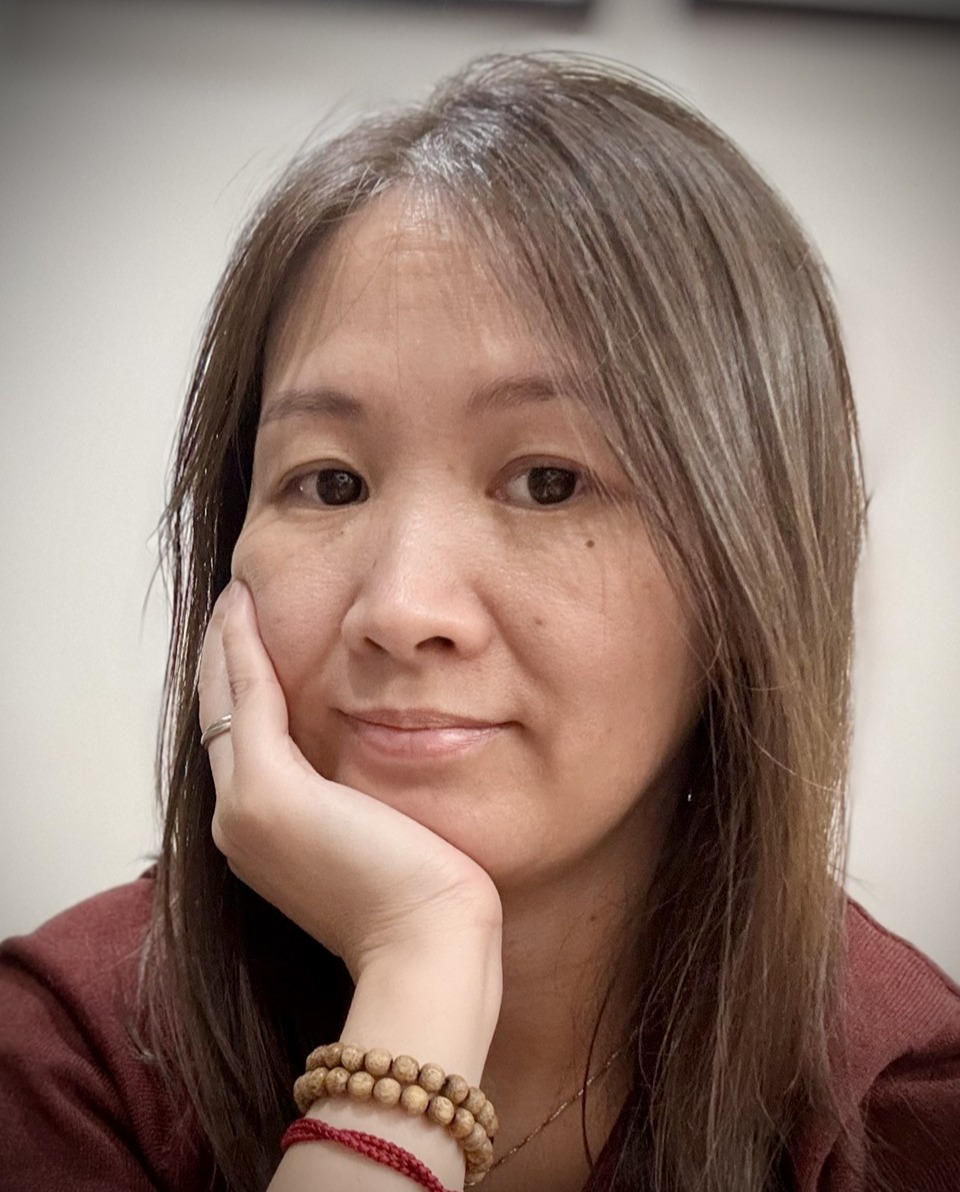
Ngoc Lung Bich, MSc
Grant Manager
Hanoi Medical UniversityLung Bich Ngoc serves as the program coordinator and grant manager at the Center for Training and Research on Substance Abuse and HIV at Hanoi Medical University. She earned a master’s degree in medical anthropology from the University of Amsterdam in the Netherlands. She has three years of experience as a grant manager for NIH-funded research subawards between Hanoi Medical University and U.S. institutions, and six years of experience coordinating collaborative projects between Hanoi Medical University and the U.S. Centers for Disease Control and Prevention. Through this partnership, she contributed to establishing a PrEP clinic that provides comprehensive health services, including HIV and sexually transmitted infection (STI) screening and treatment, as well as pre-exposure prophylaxis (PrEP) services.
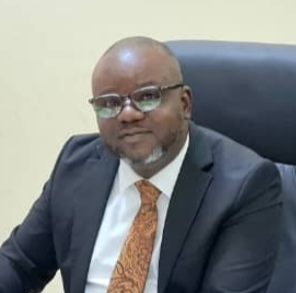
Ngenda Mbindawina, MBA, MS
Accountant
University of ZambiaMr. Ngenda Mbindawina is an accountant with a background in grants accounting, holding an ACCA qualification, an MBA in Management Strategy, and a master’s in criminology and security from the University of Zambia. With over 20 years of experience at the University of Zambia, he has developed expertise in managing and accounting for project grants, ensuring compliance with donor requirements and university policies. He has a proven track record of successfully managing grants across various departments, including the School of Medicine, INESOR, and the Research and Innovation Hub. As a fellow member of ACCA and an associate member of ZICA, he is committed to maintaining the highest standards of professionalism. Currently, he serves as an accountant at the Research and Innovation Hub, leveraging his grants and accounting expertise to drive financial excellence.
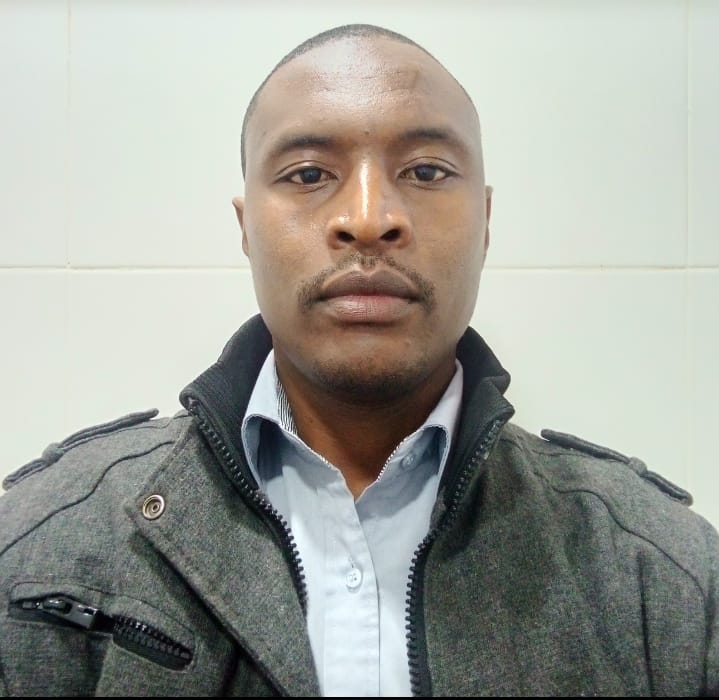
Samuel Mureithi, CPA
Manager-Finance
AIC Kijabe HospitalSamuel is a certified public accountant (CPA-K) and finance professional with over 12 years of experience in healthcare, security, and construction sectors. He currently serves as a finance manager at AIC Kijabe Hospital, responsible for financial reporting, budgeting, audits, tax, grants management, systems automation, and financial strategy. Samuel holds a Bachelor of Commerce (Finance) degree, has completed an Enterprise Development Program (EDP), is a Certified Credit Professional (CCP), and is finalizing a thesis paper on FBH governance for his master’s degree. He is a member of ICPAK and the Institute of Internal Auditors of Kenya.
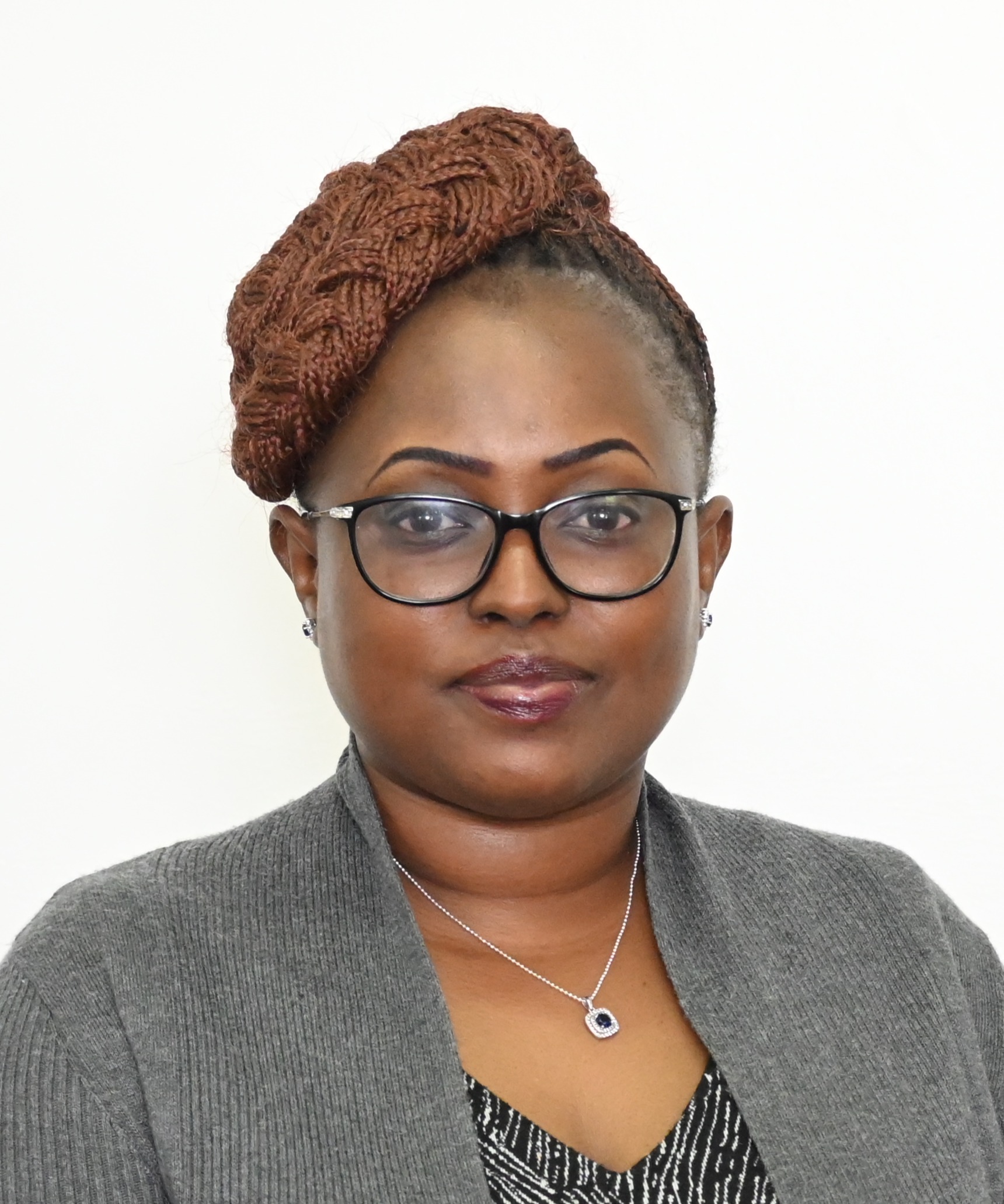
Martha Philipo Mwalugaja, BA
Project Administrator
Kilimanjaro Clinical Research InstituteMartha Philipo Mwalugaja is a dedicated Health Research Administrator with 8 years of experience supporting research projects through effective coordination, documentation, and compliance management. She works closely with researchers and project teams to manage study schedules, maintain accurate records, and ensure compliance with ethics and regulatory requirements. Known for her attention to detail and clear communication, Martha helps ensure research activities run smoothly and meet institutional and funding standards. She is comfortable managing multiple priorities in fast-paced research environments and takes pride in contributing to high-quality, ethical health research that supports positive outcomes for communities.
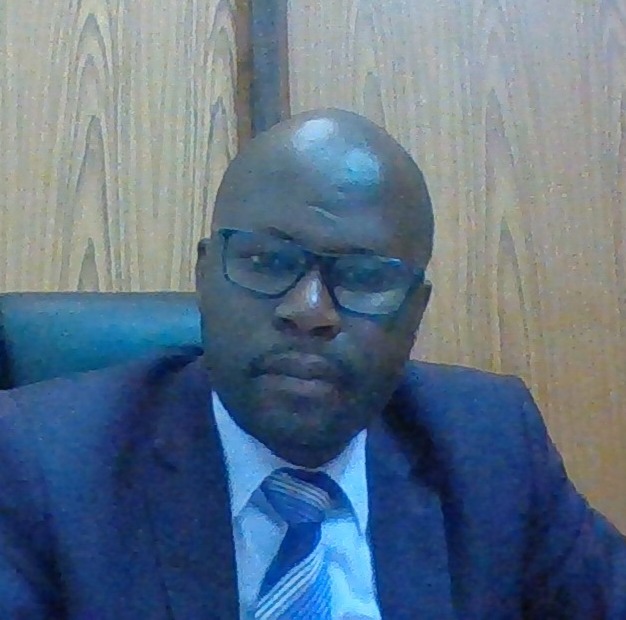
Chrispin Mwango, MSc, BSc
Accountant
University of ZambiaChrispin Mushika Mwango is a Zambian Chartered Accountant and seasoned finance professional with over 18 years of experience in accounting, finance, and administration. He is a fellow of the Zambia Institute of Chartered Accountants (FZICA) and a Member of the Institute of Internal Auditors Zambia (M’IIAZ). Chrispin holds a BSc in accounting and finance from the University of Zambia and an MSc in Accounting and Finance from the Copperbelt University. He currently serves at the University of Zambia and works as a project accountant for two projects with Vanderbilt University Medical Center (VUMC).
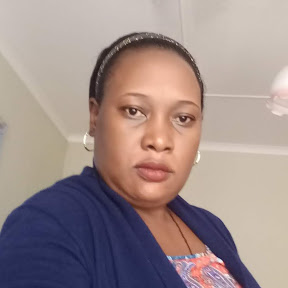
Judith Nassozi, BBA
Accountant
Uganda Cancer InstituteJudith is an accountant with six years of experience ensuring compliant grant management in the nonprofit and public sectors. She holds a bachelor's in business administration (Accounting), an Accounting Technician Diploma, and is pursuing a master's degree in the same field at Makerere University. She is experienced in financial reporting, budget monitoring, and donor compliance, with a focus on clear communication and accountability. Specializing in financial reporting, budget monitoring, and donor compliance, she excels in clear communication and accountability. With a composed, detail-oriented, and collaborative approach, she transforms complex grant requirements into practical systems that empower effective stewardship and program success.
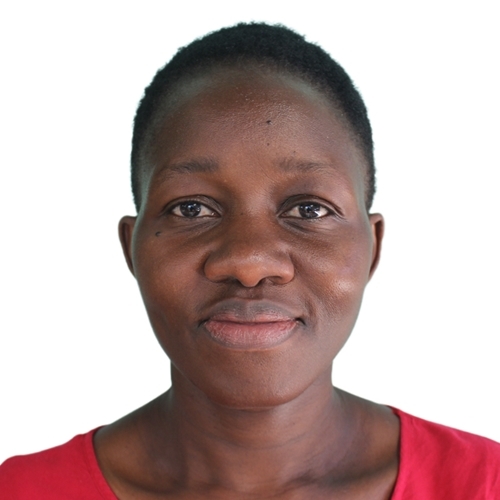
Beryl Ooro, MBCHB, FCS (ECSA)
Doctor - Researcher
AIC Kijabe HospitalDr. B. Akinyi Ooro is a Kenyan general surgeon, a graduate of the University of Nairobi, with postgraduate training in General Surgery (FCS-ECSA). She is currently based at AIC Kijabe Hospital, where she serves as the program director for the General Surgery Training Program. Her professional interests include breast oncology, medical education, and clinical research, with a strong commitment to capacity building and surgical training in resource-limited settings.

Alice Osiemo, MPH, BSc
Grants Administrator
AIC Kijabe HospitalAlice Osiemo is a public health professional with a BSc from the University of Eastern Africa, Baraton, and an MPH from Adventist University of Africa. She has over 10 years of experience in project management, research, and evaluation for community health programs. Alice serves as the research and grants administrator at AIC Kijabe Hospital, where she coordinates research and grant projects. Previously, she was assistant operations manager at Equity Group Foundation-Equity Afia, overseeing program scaling and operations for a network of over 100 medical facilities. Alice brings strong leadership, data collection, and computer skills, and excels in various work environments.
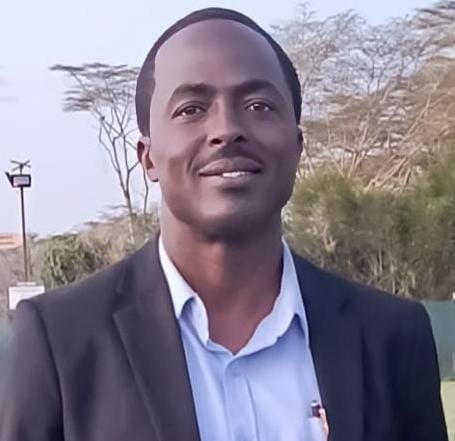
George Otieno, MBChB, MMed
Doctor - Researcher
AIC Kijabe HospitalDr. Otieno is a consultant physician cardiologist with over 13 years of clinical experience. He has a track record of delivering results to the various firms and organizations he has consulted for, including AIC Kijabe Hospital, AIDA Healthcare Foundation, and The Karen Hospital. Being a highly driven individual with strong internal motivation and a high sense of integrity, he has run a change management programme at his current workplace, leading over 900 employees through cultural change. His current interests are research and research methods, and he is currently the principal investigator in a multinational clinical trial, The Breathe study.

Perfect Shankalala, MSc
Research Manager
University of ZambiaPerfect Shankalala is a seasoned project coordinator/grants manager with over a decade of experience in public health and project administration and management. He has a proven track record in managing complex, high-value international grants, including awards from the National Institutes of Health (NIH), Unitaid, and EDCTP. His expertise lies in ensuring seamless operational execution, rigorous financial compliance, and impactful results for global health research and capacity-building initiatives. Perfect is recognized for his strategic oversight, meticulous attention to detail, and commitment to advancing scientific training and public health outcomes.
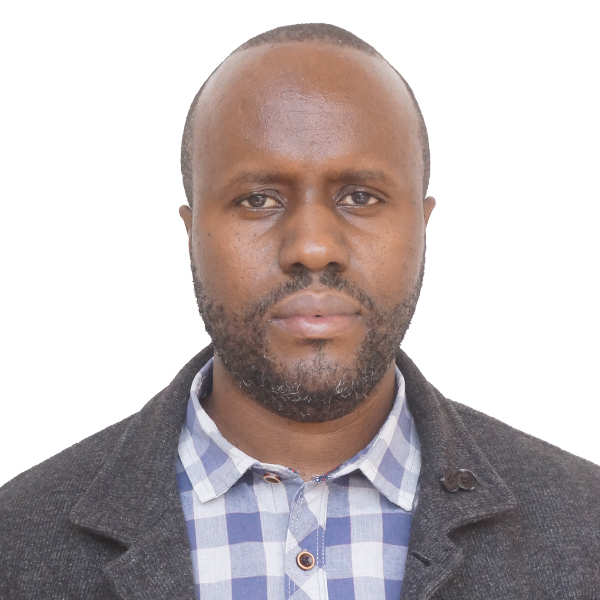
Gilbert Shao, MS
Head of Finance
Kilimanjaro Clinical Research InstituteAs Head of Finance, Gilbert brings over eight years of expertise in project and entity funds management. He drives project budgeting, oversees funds management, delivers precise financial reporting, leads audits, and shapes accounting guidelines. Gilbert serves as a strategic financial adviser to management and the director. His research management experience is strengthened by strong analytical skills and the ability to work both independently and collaboratively. Gilbert is committed to continual knowledge improvement through learning and mentorship programs and to mentoring others, thereby enhancing the quality of his organization's research deliverables. He looks forward to contributing to the collective success and ongoing growth within the teams.
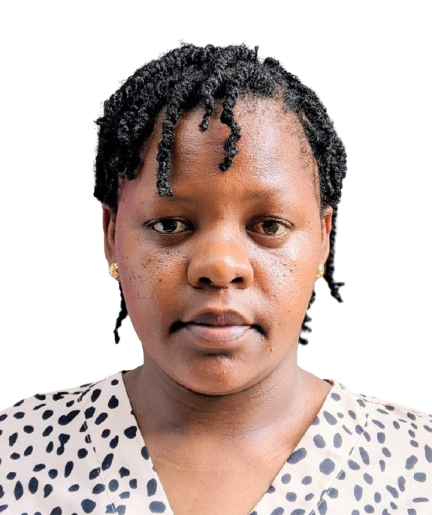
Jackline Somi, MA
Administrator
Kilimanjaro Clinical Research InstituteJackline Somi is an administrator at the KCRI Biotechnology Laboratory in Tanzania. She manages research activities, coordinates projects, and supports scientific teams to strengthen research systems. Her primary focus is on building effective administrative structures that ensure regulatory compliance, improve laboratory operations, and enhance research quality. Committed to advancing global health security, Jackline promotes women's leadership in science and supports collaborative initiatives for innovation and capacity-building in research and public health.
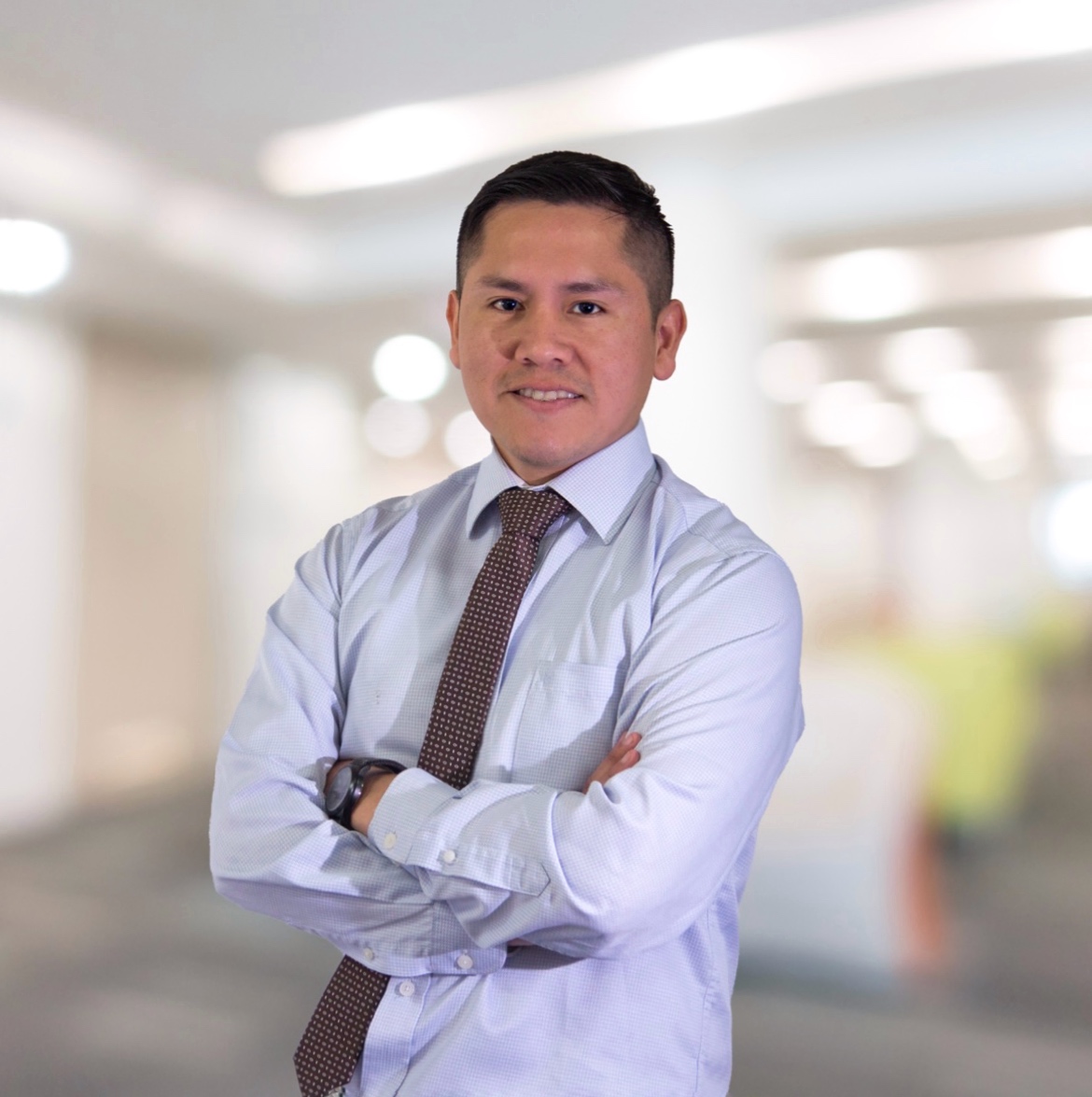
Jose Antonio Vivanco Trinidad, MS
Administrative Director
Instituto de Investigación NutricionalWith over 10 years of experience leading Administration and Finance teams, Jose serves as the Administrative Director at Instituto de Investigación Nutricional. He is a business engineer trained at Universidad Nacional Agraria La Molina, with a master's degree in Corporate Finance from Universidad del Pacífico and an International Diploma in Commercial Management (ESIC-ESAN). His experience centers on strengthening institutional performance through effective management.
-
Kenya, AIC Kijabe Hospital
AIC Kijabe Hospital is a century-old referral and training institution in Kenya’s Rift Valley that has grown into a major 350-bed tertiary center performing over 9,500 surgeries annually, operating 15 theaters, and serving more than 180,000 predominantly women and children in outpatient care across its main campus and three satellite clinics. Renowned for health professional training, it hosts East Africa’s only Pediatric Surgery fellowship and multiple other fellowships and residencies. At the same time, its Kijabe College of Health Sciences trains more than 450 students across high-demand diploma and advanced clinical programs. The hospital maintains extensive academic partnerships with leading global and regional universities and supports innovation through a state-of-the-art simulation center. Since establishing a dedicated research department in 2021, supported by an experienced MD/PhD researcher, an NACOSTI-approved IRB, REDCap infrastructure, biostatistical support, and a growing research workforce, Kijabe has strengthened its long-standing scholarly activity, including more than 158 publications in PubMed in the past decade. Active research spans observational datasets, quality improvement analytics, and major multicenter studies and clinical trials in areas such as surgical site infections, heart failure, antimicrobial resistance, respiratory support, and cancer care, supported by international collaborations and NIH-funded projects.
Peru, Instituto de Investigacion Nutricional (IIN)
Lima, Peru’s 11-million-person capital in a coastal desert, faces high rates of enteric infections due to reliance on the contaminated Rimac River for irrigation, and the Instituto de Investigación Nutricional (IIN) has conducted research in the city—particularly the 1 million resident San Juan de Lurigancho (SJL) District—since 1982. Headquartered in La Molina, IIN operates comprehensive research and clinical trial infrastructure, including licensed outpatient clinics, BSL II+ molecular laboratories with RT PCR capacity, secure biorepository and cold chain rooms ( 20°C/ 80°C), food quality labs, dedicated data and monitoring spaces, and auditoriums; its SJL San Carlos and Gardenias sites add multiple negative pressure clinic rooms, on site biosafety labs, vaccine/product storage, dispensing and post immunization areas, autoclaving, and redundant power generation. IIN’s proven participant enrollment system uses door-to-door censuses, ERB-approved outreach, and intensive household surveillance to ensure high retention (<10% dropout) and timely accrual, including home collection of stool/respiratory samples, support for diaries, and adverse event identification. Study participants access care across Peru’s mixed health system—Ministry of Health facilities (including a Level III hospital with 24/7 emergency services), Social Security hospitals/clinics for formally employed families, and private providers—with IIN pre-authorized to review medical records across systems. Peru’s national immunization program offers 17 antigens free of charge (e.g., BCG, Hepatitis B, DPT/pentavalent, IPV/OPV, PCV13, rotavirus, MMR, yellow fever, influenza, HPV, and mRNA SARS-CoV-2 for ages ≥5), with tailored vaccination for pregnant women, high-risk groups, health workers, and the elderly. This ecosystem enables IIN to conduct high-quality clinical and epidemiologic research in an urban setting with endemic disease.
Tanzania, Kilimanjaro Christian Medical Centre (KCMC)
Kilimanjaro Christian Medical Centre (KCMC) is a major referral hospital located in Moshi, Tanzania, established in 1971 by the Evangelical Lutheran Church of Tanzania. It serves as a zonal consultant hospital for a large population in the northern, eastern, and central regions of the country, with a catchment area of approximately 11 million people. KCMC is a multifaceted institution encompassing a full-service hospital with around 500 beds, a Medical College (KCMUCo) that offers various health education programs, and the Kilimanjaro Clinical Research Institute (KCRI) dedicated to health research. This unique structure allows KCMC to combine patient care, medical education, and research under one roof, positioning it as a significant institution in Africa. KCMC is known for its wide range of services, including specialized care in areas like pediatrics, surgery, internal medicine, and ophthalmology.
Tanzania, Kilimanjaro Clinical Research Institute (KCRI)
Kilimanjaro Clinical Research Institute (KCRI), the research arm of the Good Samaritan Foundation in Moshi, Tanzania, operates alongside Kilimanjaro Christian Medical Centre and Kilimanjaro Christian Medical University College, creating an integrated environment that links research, clinical care, and training. Equipped with advanced biotechnology laboratories, a research clinic, and a biorepository for long‑term specimen storage, KCRI conducts diverse research—spanning infectious diseases, maternal and child health, and non‑communicable diseases—through clinical trials, vaccine studies, surveillance work, and qualitative research. With a strong emphasis on building sustainable clinical trial capacity and strengthening local scientific expertise, the institute collaborates widely with national and international partners and participates in major research consortia. Global funders, including NWO‑WOTRO, EDCTP, and the Bill & Melinda Gates Foundation, support its work.
Uganda, Uganda Cancer Institute
The Uganda Cancer Institute (UCI), founded in 1967 by the U.S. National Cancer Institute as a lymphoma treatment center, is Uganda’s national hub for cancer care, research, and training, located within the Mulago Hospital complex and affiliated with Makerere University. Now providing diagnosis and treatment for a wide range of cancers, including breast cancer. UCI operates across four buildings totaling 40,000 square feet, with outpatient services supported by more than 15 medical officers and nurses and equipped exam rooms capable of performing sterile biopsy procedures. The institute manages care for over 1,800 new cancer patients annually. It conducts more than 10,000 follow‑up visits, while also housing the country’s only radiation therapy unit and government‑funded systemic chemotherapy services. Inpatient facilities include 25 lymphoma beds and 20 solid tumor beds, complemented by a 60,000‑square‑foot integrated cancer training and treatment facility opened in 2014. UCI supports an active research environment with available office space, IT staff, conference facilities, and access to standard statistical software. In contrast, its research capabilities are significantly strengthened by the Makerere University–Johns Hopkins University (MU‑JHU) Core Laboratory—one of only three CAP‑certified labs in Africa—providing over 180,000 tests annually across 10,000+ square feet of space with advanced diagnostic and molecular capacities, including flow cytometry, high‑throughput PCR, and cryopreservation.
Vietnam, Hanoi Medical University (HMU)
Hanoi Medical University (HMU) is a leading Vietnamese institution for medical and public health training and research with a decades‑long track record of educational reform, NIH‑funded collaboration, and national capacity building. With more than 70 departments and centers, \~1,000 faculty, and 2,538 total staff (including 16 professors, 133 associate professors, 362 PhDs, and 755 master’s‑level staff), HMU has educated over 100,000 learners since 1945 and currently trains 6,744 undergraduates and 4,618 graduate students across medicine, public health, medical technology, nursing, and specialist programs. Its extensive clinical training network spans North Vietnam’s largest hospitals: Bach Mai and Viet Duc, alongside national referral institutions in pediatrics, obstetrics/gynecology, oncology, hematology, tropical diseases, dermatology/venereology, and its own Hanoi Medical University Hospital (est. 2007) for hands‑on education. HMU’s Oncology Department, based at VNCI/K Hospital, leads national training for oncologists, nurses, and pathologists, supported by Quansu Pathology‑Cytology and the Pathology and Molecular Biology Center as practical sites, and delivers resident/fellow programs, MSc/PhD degrees, and continuing medical education reaching over 2,000 healthcare professionals annually, underscoring HMU’s central role in Vietnam’s clinical workforce and research ecosystem.
The Vietnam National Cancer Institute (VNCI), established in 2007 within the Vietnam National Cancer Hospital (K Hospital), serves as the country’s leading center for cancer care, research, and national program coordination. Under the leadership of Associate Professor Dr. Huong Tran, VNCI oversees the national cancer registry, develops and implements cancer control strategies, and advises the Ministry of Health on diagnostic, treatment, and policy guidelines. With a staff of ~50 physician-scientists in its epidemiology and clinical trials units, the institute supports provincial cancer control efforts, conducts more than 200 hospital-level studies annually, and publishes extensively in international journals. VNCI maintains strong global collaborations—including long-standing partnerships with Vanderbilt (VEC, VICC, VIGH), IARC, and the U.S. National Cancer Institute—supported by NIH grants that have strengthened Vietnam’s cancer research infrastructure, biobanking, epidemiologic training, and clinical research capacity. Its scientific resources include the Quansu Pathology-Cytology Department, equipped for molecular diagnostics and sequencing (e.g., EGFR, BRCA1/2, KRAS, NRAS), and the Pathology and Molecular Biology Center, a 27,000-square-foot facility with advanced molecular epidemiology capabilities and a biobank established in 2020. Collectively, VNCI/K Hospital functions as Vietnam’s premier nexus for oncology training, diagnostics, clinical trials, and international research collaboration.
Zambia, University of Zambia/ University Teaching Hospital/ Cancer Diseases Hospital
The University of Zambia School of Medicine (UNZA SOM), the country’s oldest and largest medical training institution, operates within the Ridgeway Campus under the Ministry of Education, closely aligned with the Ministry of Health and the University Teaching Hospital for all clinical training. Established as an independent school in 1970, UNZA SOM offers comprehensive undergraduate, master’s (MMed, MPH), and PhD programs across medicine, health sciences, nursing, and public health, supported by strong research infrastructure (parasitology and molecular labs, endoscopy unit), a MEPI-funded Research Support Center, and extensive international collaborations. Its cancer research strengths are bolstered by access to a large 1,600‑bed teaching hospital and decades of clinical trials experience. The Cancer Diseases Hospital (CDH), Zambia’s sole comprehensive cancer center on the University Teaching Hospital’s campus, provides integrated radiotherapy, chemotherapy, surgery, palliative care, and HIV services, houses the National Cancer Registry, and trains oncology clinicians and radiotherapy technicians. CDH’s equipment includes external beam machines (two cobalt units and a linear accelerator), brachytherapy units, CT simulators, MRI, mammography, and treatment planning systems, staffed by seven radiation oncologists, four medical physicists, and 28 radiotherapy technicians, with ongoing plans to upgrade radiotherapy capabilities.